





Swiper Casino Sign Up And First Steps
The first minutes on any platform usually decide the mood of the whole session. In 2026, players want the opening process to feel direct: enter details, confirm the profile, choose a payment route, and move on without guessing what comes next. That is often more important than any promotional banner.
Imagine you open the platform after work and want everything ready before dinner. Most users do the same thing - they look for the account button, fill in the form, and hope there are no confusing detours. The smartest move is simple: enter your real details slowly, use an email you actually check, and make sure your name matches the method you plan to use for payments.
This matters because early shortcuts often create later friction. A typo in the surname, an old email, or an incomplete profile may not hurt in the first minute, but it can slow down verification or cashout requests. A clean profile is not exciting, yet it is what makes the rest of the experience smoother.
It also helps to decide your boundaries before the first session starts. Set a spending idea, think about your timing, and treat the account like entertainment with rules, not a wallet without limits. Players who begin this way usually have fewer stressful moments later.
How The Login Flow Usually Works
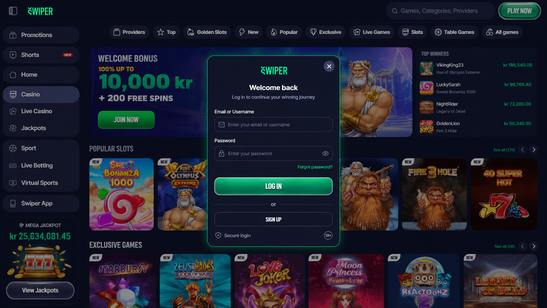
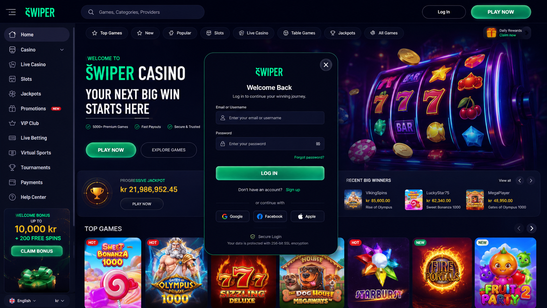
Once the account exists, daily access should feel routine. Open the platform, enter your details, confirm if needed, and return to the same dashboard without unnecessary friction. Good systems make this step almost forgettable, and that is a compliment.
Picture a user checking in during a short break. There is no patience for hidden menus or confusing recovery steps. Clear entry fields, visible password help, and a profile area that shows balance, history, and control tools without clutter usually matter more than flashy visuals.
Users can make this stage easier too. Keep the correct email, store the password safely, and avoid creating duplicate profiles because of a rushed spelling change. Many access issues begin with small habits, not technical failures.
What You Need Before Opening An Account
Before you start, prepare three things: a working inbox, a reachable phone number, and payment details that belong to you. That sounds basic, but it is often exactly what people forget when they are in a hurry.
Imagine a player who funds the account first and only later notices that the banking name does not match the profile. What felt like a tiny shortcut turns into a delay at the worst moment. When the core details are consistent from the beginning, account checks are usually much easier to pass.
It is also worth deciding how you want to manage play. Some users set a small budget immediately, others decide on session length first. Either way, a little structure before the first deposit usually leads to better decisions after it.
Deposits, Withdrawals, And Account Checks
This is where trust becomes practical. A platform can look polished, but players usually judge it by simple things: was the deposit path clear, were the options understandable, and did the withdrawal process make sense when real money was involved? That is the test that matters.
Most people are not looking for the longest list of methods. They want something familiar, easy to track, and comfortable for their personal budget. For one player that may be a bank card, for another a wallet tool they already use for everyday purchases. The best option is usually the one you understand well enough to monitor without confusion.
Now imagine a common scenario: you finish a session, request a payout, and see that another account check is needed. That can feel irritating, but on regulated entertainment platforms it is also normal. The key question is not whether there is a review, but whether the steps are explained clearly and whether your profile data is ready.
Task | What To Prepare | Why It Matters |
|---|---|---|
First deposit | Chosen payment method and set budget | Helps keep spending intentional |
Withdrawal request | Matching profile and payment details | Reduces avoidable delays |
Identity check | Clear documents and readable data | Speeds up confirmation |
Session limits | Daily or weekly plan | Supports controlled play |
Support request | Screenshots and transaction notes | Makes help more precise |
Players in Canada often benefit from treating deposits and withdrawals as different decisions. Funding the account is about convenience. Cashing out is about accuracy, patience, and clean information. When you separate those ideas, the process feels calmer.
Choosing A Payment Method That Fits
The best method is not always the most exciting-looking one. More often, it is the option you already understand, can see inside your regular money routine, and can use without guessing about extra steps.
Imagine you already manage monthly spending through one card and one wallet app. Using the same tools for gaming can make tracking much easier. You can see what went in, what came out, and whether the session stayed within the amount you planned.
Some players like to keep entertainment spending separate from daily expenses. Others prefer one place for everything so nothing gets lost. Both approaches can work. What matters is choosing a method that supports awareness rather than making spending feel invisible.
What Happens During Cashout Review
A withdrawal request may look instant from the player side, but there is often a review stage behind it. Profile details, document quality, and payment ownership can all be checked before funds move.
Consider a simple example. A player uploads a blurred image, enters one detail incorrectly, and then wonders why nothing changes. In many cases the issue is not mysterious at all - it is just a mismatch that needs to be fixed. If the platform explains that clearly, the problem is usually manageable.
Patience helps, but organization helps more. Keep copies of what you submit, use the same details everywhere, and read notices properly instead of skimming them. Small habits can make the difference between a smooth payout and a frustrating delay.
Games, Lobby Filters, And Session Control
After the account side is sorted, most players turn straight to the lobby. This is where usability becomes visible. A huge catalogue sounds impressive, but without filters and structure it can feel like noise rather than choice.
Imagine opening the game section late in the evening. You do not want endless scrolling. Most users look for categories, search tools, recent picks, table sections, and labels that make the next step obvious. When those tools are well placed, sessions feel more intentional and less chaotic.
There is also a simple mental trick here: decide what kind of session you want before you choose a title. A short break, a slower table session, and a casual browse through new releases are not the same mood. Choosing the mood first often prevents random clicking.
How Players Usually Pick A Title
Players do not choose by logic alone. Sometimes they want something familiar, sometimes something visual, and sometimes just a different pace. The useful habit is not finding the perfect game - it is knowing why you opened it.
Picture a user who jumps into the brightest option on screen without checking anything else. That happens often. A steadier approach is to filter by style, expected session length, and how much attention you actually want to give the experience.
Many regular users also check recent activity before starting again. That is not about chasing outcomes. It is simply a way to remember what felt enjoyable and what only created noise.
Using Limits Before You Start
Control tools work best before a session begins, not after emotions speed up. Deposit caps, session reminders, cool-off periods, and time checks are much more useful when you set them in a calm moment.
Think about a Friday evening. You plan a short session, but one title turns into three and another deposit starts to feel tempting. If a limit is already in place, the platform does part of the discipline for you. That is not restrictive - it is practical.
A lot of players assume these tools exist only for serious issues. In reality, they are everyday tools for ordinary entertainment. Used early, they help keep play inside the budget you meant to respect.
When To Take A Break
The best time to pause is usually earlier than people think. Not only after a bad run, and not only after a long session - also when focus slips, when decisions become automatic, or when the experience stops feeling deliberate.
Imagine noticing that you are clicking quickly, skipping details, and barely remembering the last few rounds. That is usually the sign. Step away, check your balance, and return only if the session still matches the time and money you planned.
Timeouts and self-exclusion tools exist so adults of legal age in Canada can manage play like any other controlled activity. Used well, they are not dramatic. They are just part of staying in charge.
Mobile Access And Daily Convenience
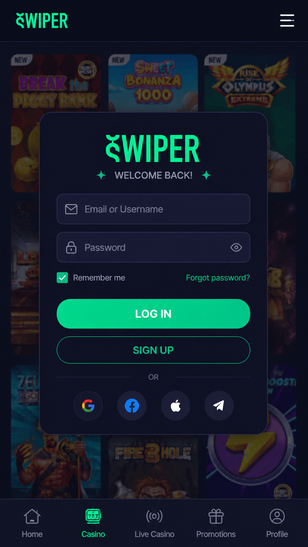
A large share of play now happens on phones, so mobile quality matters as much as desktop quality. Users expect readable menus, simple payment screens, and a clear path back to recent activity without endless tapping.
Picture commuting, waiting in line, or taking ten quiet minutes before bed. Mobile play fits into those small gaps, which means the interface has to respect short attention spans. People want to check their balance fast, reopen a recent title, and find support without zooming into tiny text.
Convenience is not only about speed. It is also about continuity. If a session starts on a laptop and continues later on a phone, the account should still feel familiar. Wallet information, control tools, and history should be easy to find in both places.
There is also one obvious risk: when the account is always nearby, impulsive use can become easier. That is why reminders, spending caps, and cool-off settings are especially useful on mobile. Convenience should support control, not weaken it.
Support, Verification, And Common Fixes
Sooner or later, most players need help with something ordinary: a password reset, a payment question, a locked feature, a document request, or a delayed action that needs clarification. In those moments, support quality matters more than design language.
Imagine sending a message that only says, "my account does not work." That rarely helps much. Most users get better results when they describe the exact step where the issue appears, mention the device, note the time, and include a screenshot if possible. Specific questions usually lead to specific answers.
Verification can also feel less annoying when you treat it as routine administration. Many platforms need to confirm identity and payment ownership before certain actions move forward. If the request is reasonable and the instructions are clear, the process is usually manageable.
Good support is also about expectations. Some issues are solved quickly, while others depend on review stages. Players handle delays much better when they know what stage a request is in and whether any action is still required from them.
If Something Stops Working
Start with the simple checks. Confirm the password, verify that your inbox still works, refresh the page, and try the same action on another device or browser. A surprising number of small problems disappear here.
Now imagine a payment page that freezes every time you reach the same step. Before assuming the worst, note the method you selected, the time, and the exact screen where it stopped. That turns a vague complaint into useful information and makes support faster.
If the issue continues, avoid panic decisions. Do not open another profile, do not repeat the same payment attempt without understanding the failure, and do not send five copies of the same request. Pause, gather the details, and ask for help once in a clear way.