





Why Swiper Casino Mobile Works On The Go
A desktop layout can feel fine at home, but it often slows down the moment you switch to a smaller screen. The phone version matters for a simple reason: people rarely sit still for long. They check balances on the train, review offers during lunch, or open a quick session in the evening without wanting to zoom in, scroll sideways, or fight with menus.
Convenience is not just about looks. Buttons need to be large enough to tap once, the cashier should be easy to find, and the path from sign-in to play should feel direct. If the design keeps forcing extra steps, most users leave.
Imagine you have ten free minutes before work. You do not want to hunt for the deposit section or guess where support is hidden. Usually, players stay longer when the layout lets them move from the lobby to a game, then back to the cashier, without friction.
What Changes On A Smaller Screen
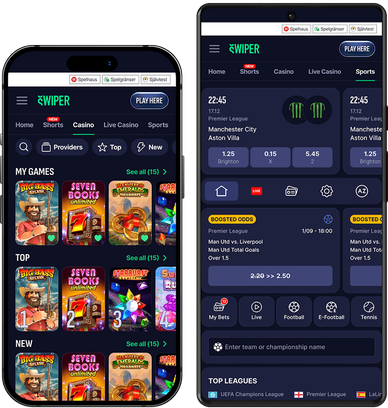
The smaller format changes behavior. People read less, compare fewer options at once, and rely more on quick filters. That is why category tabs, recent play history, and visible balance information matter so much. A well-built phone experience reduces clutter instead of trying to copy the entire desktop page line for line.
If you are browsing from a bus stop or standing in a queue, even a two-second delay feels longer than it really is. Most players respond by simplifying their routine: they pick one payment method, save time with a remembered login device, and return to familiar titles rather than exploring every corner of the lobby.
When A Short Session Makes More Sense
Short sessions are often where the phone version shines. Picture someone checking in after dinner, opening one or two rounds of play, then leaving just as quickly to answer a message or handle something at home. In that situation, a fast entry point, clear account overview, and simple stop-and-start rhythm matter more than deep browsing.
Registration And Account Checks
Getting started should feel structured, not rushed. Most players begin with the standard basics: email, password, country details, and confirmation steps. After that, the important part is accuracy. Entering the wrong name format, old contact details, or inconsistent personal data often creates avoidable delays later, especially when a withdrawal request reaches review.
A lot of users make the same mistake early - they treat account creation like a form they need to finish as fast as possible. In reality, this stage sets up everything that follows. Personal details, date of birth, and payment information should match real documents and real ownership. Clean setup now usually saves time later.
Imagine a new player opening an account on a lunch break and typing quickly with autocorrect on. One small error in the surname or postal code may look harmless at first, but it can become frustrating when the account later needs verification. Usually, the smoother path is to slow down for two minutes and check every field once before pressing confirm.
There is also the question of age checks and local access rules. For Canada-facing services, adult access and identity confirmation are not side issues - they are part of responsible onboarding. That does not mean the process has to feel heavy. It simply means the platform should explain what is needed, when it is needed, and why it helps protect the account.
Another practical detail: do not wait until you want money out to review your account settings. Open the profile area, confirm your contact information, and check whether documents may be requested. Players who do this early are usually less stressed when they make their first cashout request.
Deposits, Cashouts, And Budget Control
Money movement is where casual interest turns into a real test of usability. A good cashier area should tell you what methods are available, what steps come next, and whether any review may apply before funds are released. It should not feel like guesswork.
Usually, players want three things from this section: quick deposits, predictable withdrawals, and enough information to avoid mistakes. Clear labels, visible transaction history, and a visible pending status matter most.
Imagine someone funding an account before a short evening session, then deciding to remove part of the balance the next morning. If the cashier shows past activity, available methods, and request status in one place, the process feels manageable. If not, the player ends up opening support before they even know whether anything is actually wrong.
Account task | What usually happens | Why it matters |
|---|---|---|
First deposit | A player chooses a method, confirms the amount, and checks the updated balance | Fast confirmation helps the session start without confusion |
Cashout request | The account may show a pending stage before funds are released | Knowing the status reduces unnecessary repeat requests |
Identity review | Personal details or documents can be checked before larger actions | Matching information lowers the chance of delays |
Budget settings | Deposit caps, cool-off tools, or reminders can be activated in profile settings | Limits help keep sessions planned rather than reactive |
How Players Usually Move Money In And Out
Most people settle into one routine after the first week. They use one main payment path, avoid switching back and forth between methods, and learn where the transaction history sits. This matters because consistency often makes account management easier, especially when the same name and same payment ownership appear across the profile.
If you are testing a new platform, treat the first deposit as a system check rather than a big commitment. Try a modest amount, look at how the balance updates, and see how easy it is to find the withdrawal page before you need it. Players who do this early usually understand the platform faster than those who focus only on the game lobby.
Games That Fit A Phone Session
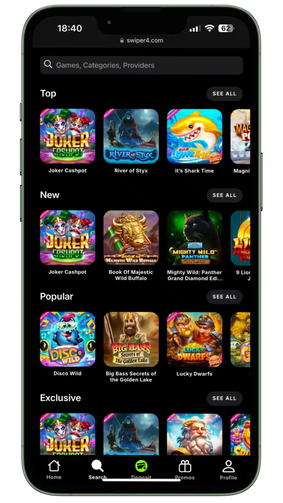
Not every title feels good on a handheld screen. Some work immediately because the controls are simple, the interface is uncluttered, and the pace matches short sessions. Others feel cramped, especially when too many panels compete for space or the visual design overwhelms the controls.
That is why many players naturally sort their session into modes. One mode is quick and light: open a familiar title, play for a short window, then leave. The second mode is more deliberate: browse the lobby, compare categories, maybe switch between a few options, and spend more time in the cashier or promotions area before playing.
Imagine you are in the middle of a commute and want something easy to resume after a signal drop or an interrupted moment. In that case, people usually prefer titles that load quickly, show their controls clearly, and do not require constant menu changes. A good phone session is less about maximum choice and more about smooth continuity.
The lobby itself also matters more than many people expect. Filters by theme, pace, stake range, or recent activity help reduce decision fatigue. On a larger screen you may enjoy endless scrolling. On a phone, most users want to narrow the field quickly and get into the session.
There is another practical point here: battery and data use. If a session drains the battery too fast, people often cut it short even when they like the overall look.
Picking The Right Format For A Ten-Minute Break
A short break changes how people choose. They usually avoid complicated tables, long loading screens, or anything that needs careful menu reading. Picture someone opening the platform during a coffee run - there is enough time for a focused session, but not enough for trial and error. In those moments, simplicity wins.
Support, Safety Tools, And Limits
Support is easy to ignore until the first problem appears. Then it becomes one of the most important sections on the platform. Good help tools do not only answer questions - they reduce panic. Players want to know where to write, what information to include, and how to explain an issue without repeating the same thing five times.
Most account problems are not dramatic. A payment sits in review, a password reset does not arrive right away, or a bonus condition was misunderstood. What matters is whether the support path feels clear.
Imagine you request a cashout and the status does not move as quickly as expected. The worst version of that moment is silence. The better version is simple: you open help, see the request stage, and contact support with the amount, time, and method already noted. Usually, the clearer your summary, the faster the conversation becomes useful.
Safety tools deserve equal attention. The strongest routine is not to wait for a bad session. Set limits while calm. Decide what amount, time window, or loss point feels reasonable before emotions enter the picture. That small habit changes the way people use gaming platforms.
What To Do When Something Feels Off
If a page behaves strangely, a balance looks unexpected, or an action repeats without clear confirmation, stop first and document what happened. Take a screenshot, note the time, and avoid pressing the same button again and again. Many account errors get worse because players react too quickly.
Picture a failed payment page that leaves you unsure whether the deposit went through. Usually, the smartest move is to check the balance, then the transaction history, then support. This sequence is slower than panic-clicking, but it often prevents duplicate attempts and extra confusion.
Self-Exclusion, Breaks, And Timeouts
Good control tools are not only for crisis moments. Sometimes a player simply wants distance for a day, a week, or longer. The useful platforms make those options visible and practical, not hidden in small print at the bottom of a settings page.
If you notice that play has stopped feeling planned, step away before the feeling deepens. Imagine finishing a late-night session and realizing you played far longer than intended. A timeout, a cooling-off period, or a stronger exclusion tool can turn that moment into a reset instead of another cycle.
Practical Tips For Playing In Canada In 2026
The most useful habit for Canadian players in 2026 is not chasing every feature at once. Start with the essentials: create the account carefully, test the cashier with a modest amount, check the support area, and only then settle into a longer routine. This order sounds basic, but it prevents most early mistakes.
Another smart step is keeping your device organized. Use a secure screen lock, keep browser autofill under control, and do not leave account access open on shared hardware. A phone session feels personal and quick, which is exactly why people sometimes forget basic account hygiene.
Imagine you play mostly during small gaps in the day - after errands, before work, or in the evening on the sofa. In that pattern, convenience can slowly blur into habit. Usually, the best counterweight is structure: set a spending plan, decide your stop point first, and review activity from time to time instead of relying on memory.
It also helps to separate entertainment from account management. Use one moment to check balances, pending requests, and settings, and another moment to play.
Finally, remember that a good platform experience is not defined by hype. It is defined by whether the basics stay solid over time: clean sign-in, understandable payments, useful help, and practical control tools. If those elements work, the service fits real life much better than one that only looks impressive in the first five minutes.